schedule Chimney cleaning in Seattle for your home
When to Call Experts: Top Signs Your Chimney Needs Cleaning: Safeguard Your Home Against Fire Dangers
Chimney maintenance is often overlooked, but it holds an essential place in residential safety. Homeowners should be aware of specific warning signs that indicate a need for professional cleaning. Unpleasant smells, heavy smoke, and creosote accumulation are only some of the warning signs. Disregarding these indicators can result in significant hazards. Recognizing these risks and knowing the right time to respond can safeguard both homes and residents. The following sections will explore these essential aspects further.
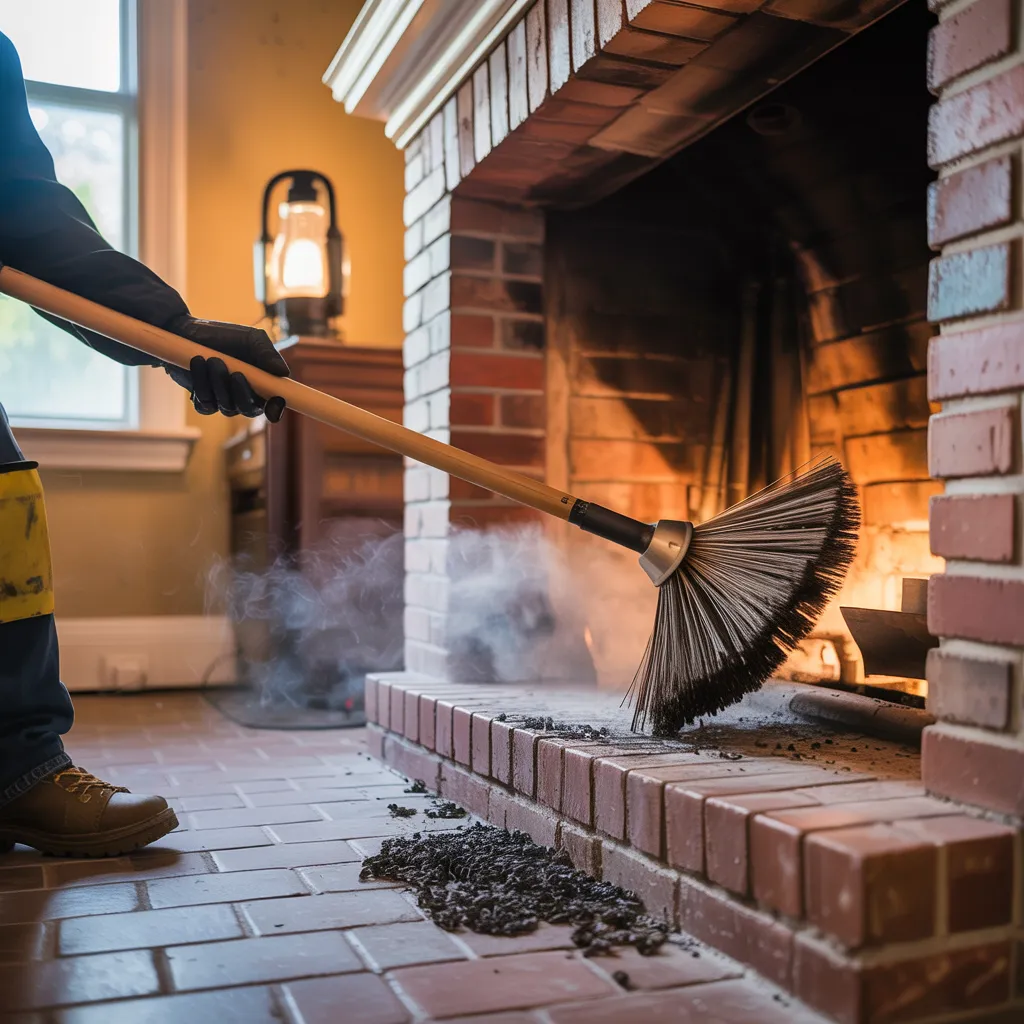
Spotting the Warning Signs of Chimney Neglect
How do homeowners recognize the warning signs of a neglected chimney? Homeowners need to stay alert for a number of critical warning signs. A major red flag is the buildup of creosote, which can appear as a black, tar-like substance on the flue walls. This accumulation occurs with regular use and suggests the need for immediate attention. Homeowners may also detect an unpleasant smell coming from the chimney, which suggests that debris or animal nests may be blocking proper airflow. Smoke backing up into the living area during a fire presentation is another serious warning sign, which signals poor ventilation. Cracks or deterioration in the chimney structure itself, such as loose bricks or damaged mortar, can also indicate neglect. In addition, when the chimney cap is absent or in poor condition, it allows moisture and debris to enter, gradually undermining the chimney's structural integrity. Recognizing these signs can help homeowners take timely action before more serious issues arise.
The Perils of Skipping Chimney Maintenance
Overlooking chimney upkeep carries substantial risks, primarily through increased fire hazards. Built-up soot and combustible debris may catch fire, causing severe chimney fires that put entire households at risk. In addition, structural compromise may arise as degrading materials erode the chimney's structural soundness over the years.
Increased Fire Risks
As time passes, the accumulation of creosote and soot in a chimney can transform a cozy fireplace into a dangerous fire hazard. Creosote, a natural byproduct of wood combustion, is highly flammable and can ignite, leading to chimney fires that may compromise the entire home. Failing to maintain your chimney regularly increases the risk of blockages from debris, which can cause dangerous smoke and fumes to seep into your home, posing severe risks to your health. Many homeowners fail to recognize the significance of regular chimney cleaning, but even minor buildup can develop into serious hazards. A detailed copyrightination and cleaning performed by experts can mitigate these risks, ensuring that the fireplace remains a reliable and secure heat source rather than a looming risk to your household and belongings.
Potential for Structural Damage
Disregarding routine chimney upkeep can cause serious structural harm in a home. In the long run, creosote buildup and blockages can push smoke and gases backward, causing heightened pressure throughout the chimney. This buildup of pressure can crack or weaken the chimney framework, frequently resulting in substantial repair expenses. In addition, moisture from rain and snow can degrade brick and mortar, continuously undermining the structure. A overlooked chimney may also enable toxic gases, such as carbon monoxide, to penetrate living spaces, presenting serious health dangers. Regular inspections and cleanings help identify issues early, guaranteeing the chimney stays structurally secure and safe. Homeowners need to emphasize chimney upkeep to defend their investment and guard against widespread deterioration.
Ways to Prevent Chimney Problems
Consistent upkeep can substantially minimize the likelihood of chimney complications. Homeowners ought to schedule routine inspections to detect potential issues in advance, like creosote deposits or damage to the structure. Keeping the surrounding area clear of debris and vegetation can prevent blockages and guarantee proper airflow. Adding a chimney cap can provide extra protection from water infiltration and wildlife nesting, both of which may cause further issues.
It is also essential to burn seasoned hardwood, as seasoned hardwood creates significantly less creosote buildup compared to softer woods. Residents should never burn chemically treated wood or household refuse, as burning such materials can produce dangerous chemicals and elevate the chances of chimney buildup.
In addition, maintaining a proper flue size for the fireplace or stove promotes effective burning and limits the chance of smoke entering the living space. When adhering to these protective measures, homeowners can substantially reduce the probability of chimney problems.
How Often Should You Plan Chimney Cleaning?
How frequently should homeowners schedule chimney cleaning to confirm safety and efficiency? Specialists advise that homeowners schedule chimney inspections and cleanings at least one time per year, particularly if the chimney is used regularly. This once-a-year servicing works to inhibit the development of creosote, an extremely combustible material that presents a serious fire risk.
For individuals who make frequent use of their fireplaces, such as during cold months, additional cleanings may be needed. Property owners should also evaluate factors including the fuel type utilized and the overall age of the chimney. Should a chimney be dedicated primarily to wood-burning, additional inspections may be advisable because of the heightened risk of creosote buildup.
In addition, property owners should be alert to signs of blockage or deterioration, which may necessitate extra cleanings. At the end of the day, regular maintenance ensures a safe and efficient fireplace, reducing fire risks and boosting the safety of the entire home.
What Occurs During a Chimney Cleaning?
During a professional chimney cleaning, technicians carefully evaluate and resolve all accumulation found within the chimney. The procedure commonly commences with a visual inspection to identify signs of creosote accumulation, blockages, or structural damage. Employing industry-grade tools, the technician carefully extracts built-up soot, creosote, and unwanted debris, ensuring clear airflow and minimizing the risk of fire.
The cleaning operation generally makes use of brushes, industrial vacuums, and various instruments designed to effectively eliminate buildup. Specialists may additionally copyrightine the flue liner and chimney cap for proper function and integrity. Upon completion of the cleaning, professionals frequently deliver guidance on maintenance or necessary repairs if issues are identified.
Ultimately, a thorough post-service inspection verifies that the chimney is safe for use, and the technician can supply advice on how often future cleanings should be scheduled. This detailed approach helps ensure the chimney performs at peak safety and efficiency, protecting the home from potential fire risks.
Hiring Experienced Chimney Cleaning Professionals
To identify reputable professionals, individuals can gather recommendations from friends, family, or local hardware stores. Online reviews and ratings on sites like Yelp or Google can give a clear picture of customer satisfaction. It is advisable to obtain proof of insurance and references before making a decision.
Furthermore, gathering a number of quotes can help homeowners determine fair pricing and assess the competence of various companies. In the end, enlisting experienced chimney cleaning professionals not only provides comprehensive cleaning but also guards against fire-related risks, enhancing the general safety of the household.

Frequently Asked Questions
Can I Clean My Chimney Myself?
Self-cleaning a chimney can be done, but it demands the right knowledge, appropriate tools, and careful safety measures. Numerous homeowners prefer to hire professional services to secure a complete cleaning and eliminate dangers that may arise from improper upkeep.
How Much Will Professional Chimney Cleaning Set You Back?
Expert chimney cleaning services generally runs between $100 and $300, influenced by factors like location, chimney condition, and accessibility. These expenses are worth factoring in when planning for maintenance and ensuring their chimney operates safely.
What Equipment Is Required for Chimney Cleaning?
Cleaning a chimney necessitates particular supplies including a dedicated chimney brush, extendable rods, a vacuum for debris, a drop cloth to protect surroundings, and personal safety gear like gloves and goggles to provide for a effective and secure cleaning procedure.
Are There Particular Weather Conditions Required for Chimney Cleaning?
Chimney maintenance is best performed in calm, dry conditions. Rain or snow can complicate the process, while severe temperatures might compromise the performance of maintenance tools. Sunny, open skies ensure optimal conditions for complete upkeep and safe practice.
How Can I Identify a Qualified Chimney Expert?
To identify a certified chimney specialist, individuals should look for credentials from trusted organizations, check online reviews, ask for references, verify insurance coverage, and confirm the professional has substantial experience in chimney upkeep and cleaning.